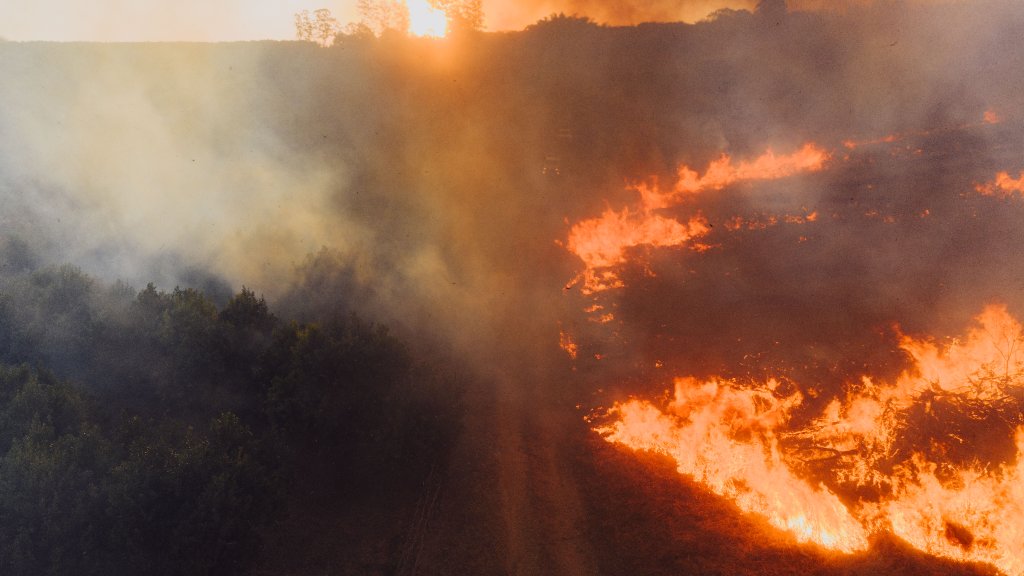
A government press release published on 20 June 2026 confirmed two significant developments for UK fire and rescue: the launch of dedicated specialist wildfire response teams stationed across England & Wales, and a £97 million investment to overhaul National Resilience assets — described as the largest upgrade in almost twenty years.
Here's what we know, and what it means for the people doing the job.
The Wildfire Teams
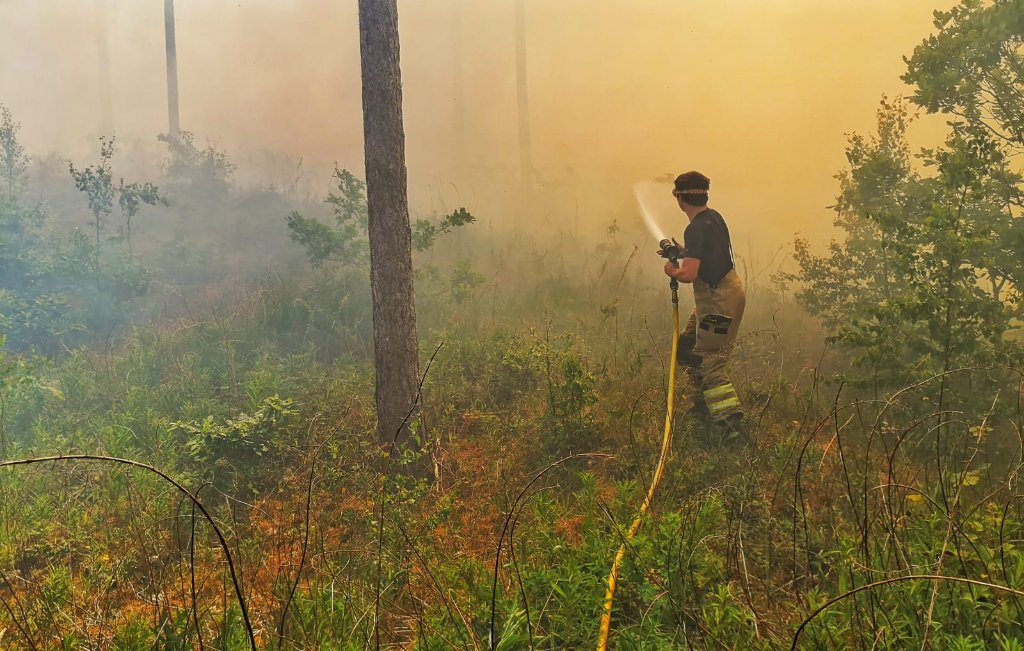
Through a new programme, teams of specialist firefighters will be strategically positioned and ready to respond to fires across England and Wales. The aim, according to the announcement, is to deliver help to communities faster and to take pressure off local fire and rescue services as incident numbers continue to rise.
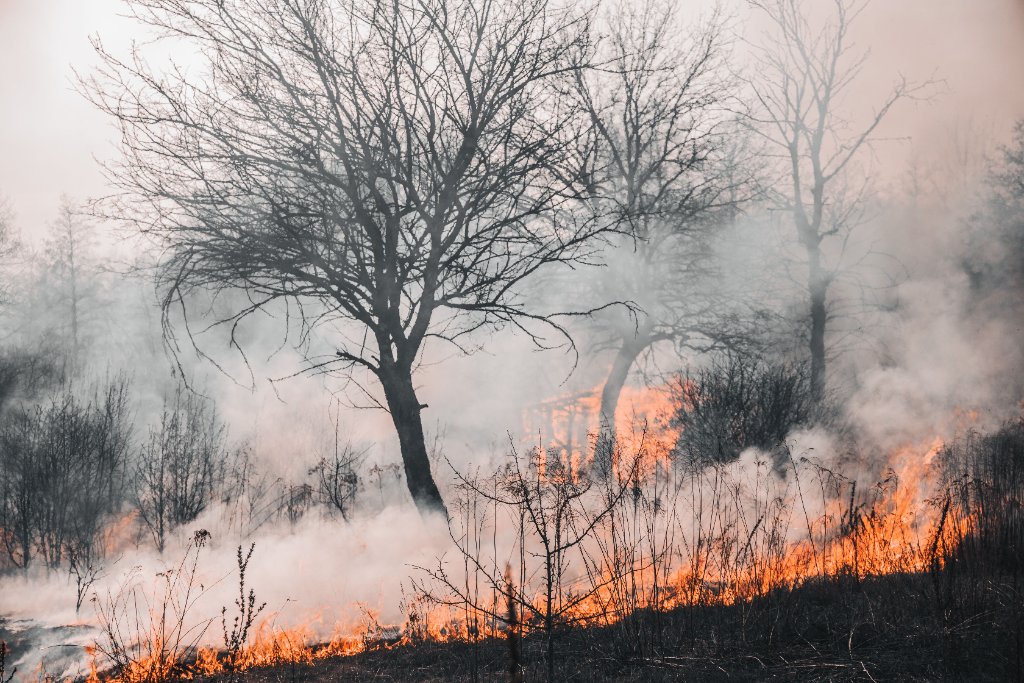
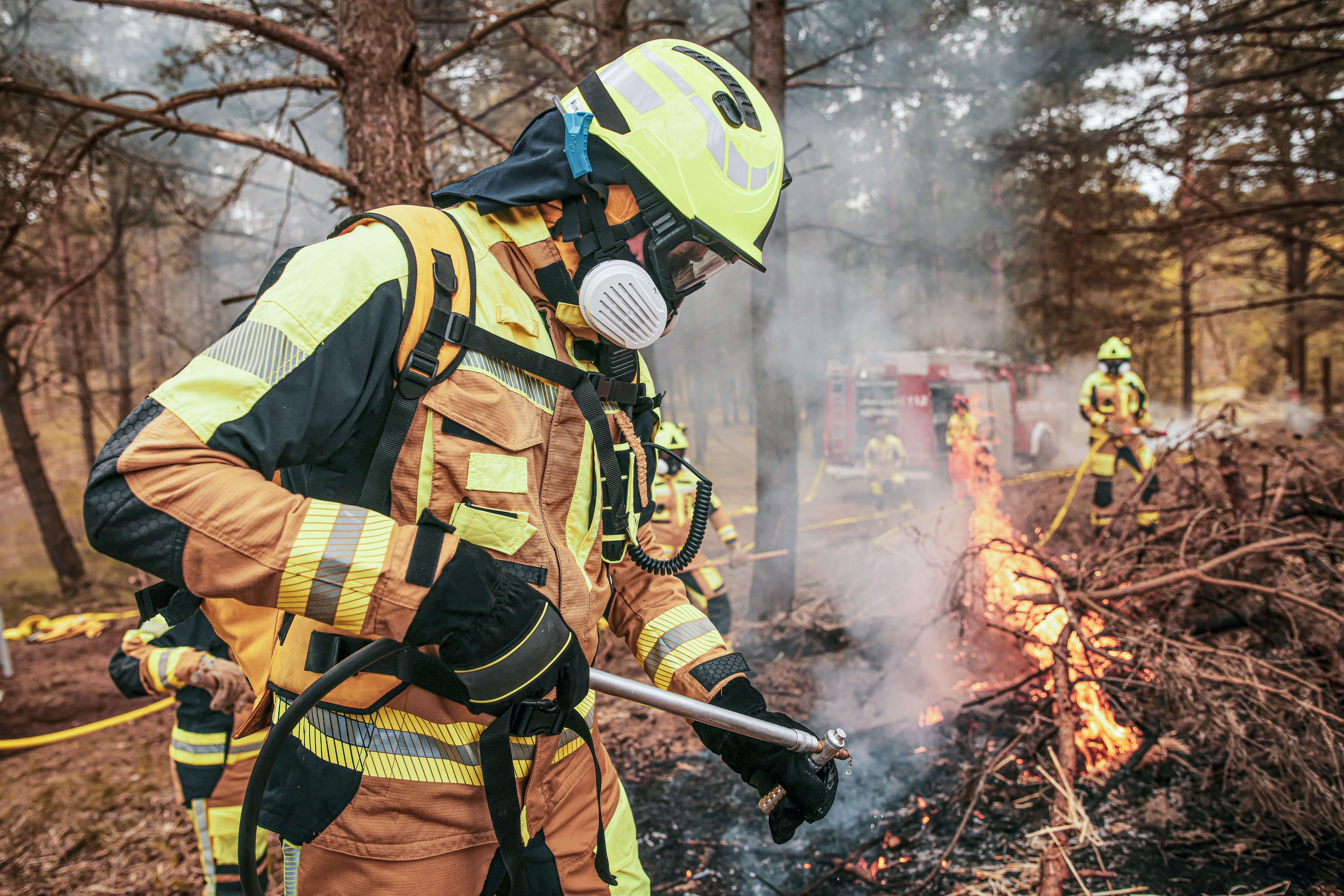
The teams have undergone training over spring and summer, including upskilling in tactical burning and international study trips to South Africa and Poland to learn from how other countries handle large-scale wildfire events.
The wildfire teams will be hosted by fire and rescue services in:
- Lancashire
- Greater Manchester
- Northumberland
- London
- South Wales
All teams are expected to be deployable to incidents across England by the end of June 2026.
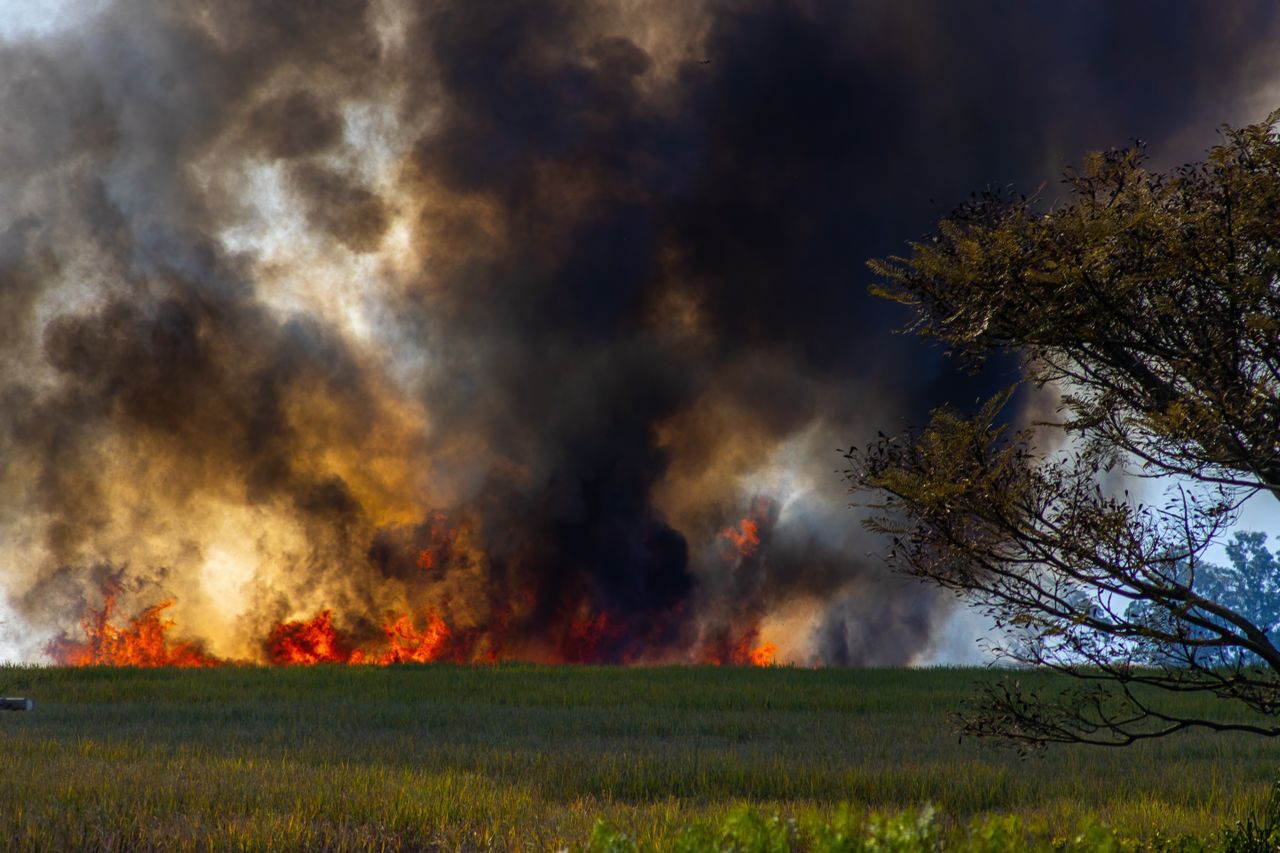
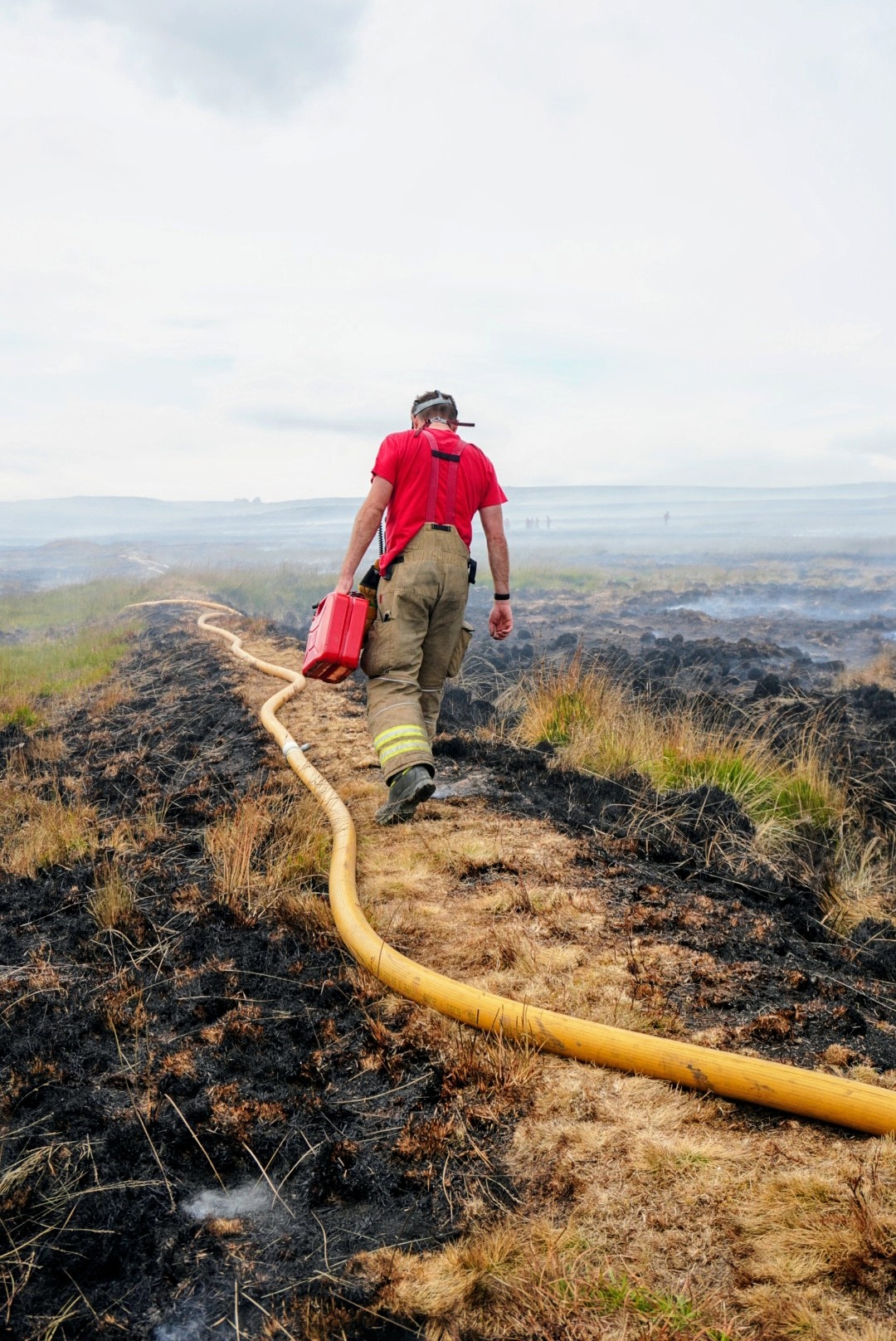
The backdrop to this is significant. Last year's wildfire season included widespread damage across North York Moors National Park — one of the most high-profile wildfire events in recent UK memory — and specialist National Resilience capabilities were used over 1,000 times in 2025 alone.
The £97 Million Investment
The larger headline figure — £97 million — is earmarked for a wholesale upgrade of National Resilience assets, including vehicles and equipment. The government described it as funding for "the largest scale upgrade of National Resilience assets in almost twenty years."
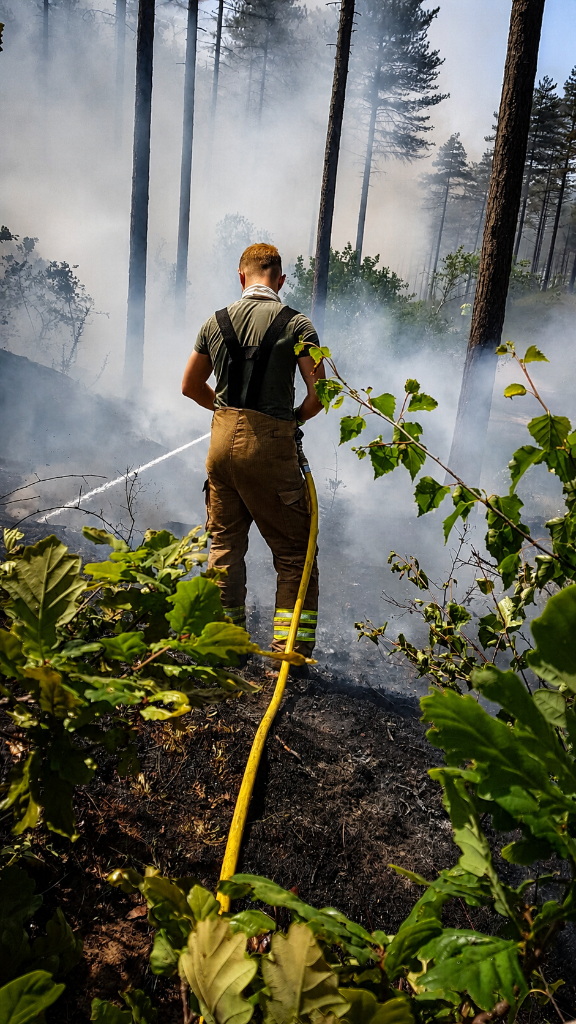
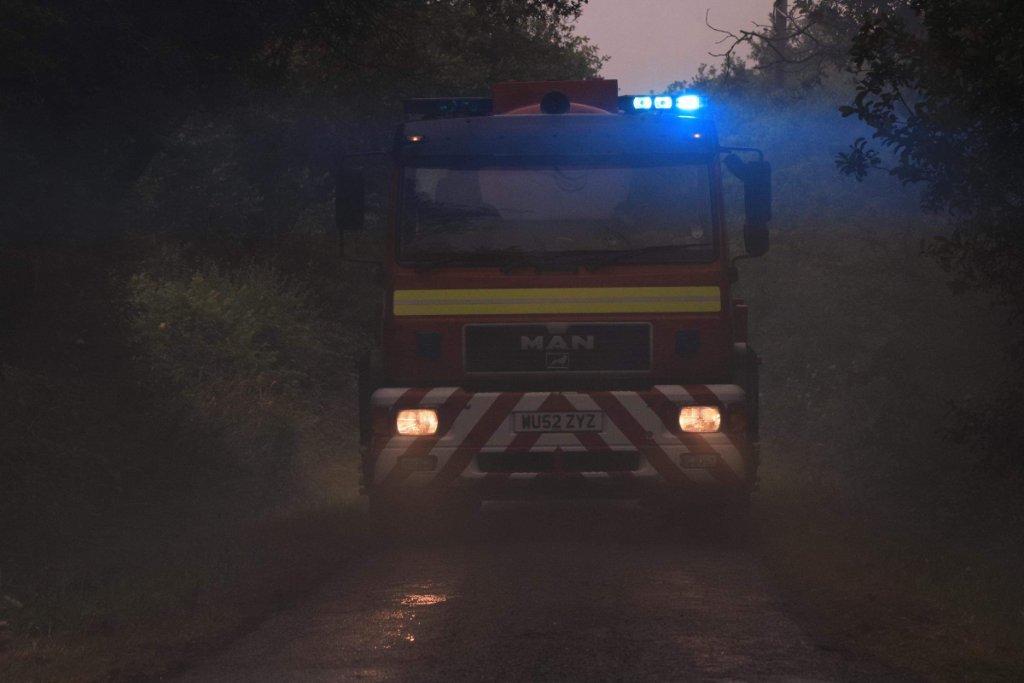
State-of-the-art kit will include dedicated off-road vehicles suited to the terrain challenges that wildfire incidents typically present. The investment is designed to ensure the dedication of fire and rescue personnel is matched with equipment fit for modern, complex incidents — from wildfires to flash flooding and collapsed structures.
What the Minister Said
Building Safety Minister Samantha Dixon MBE MP was quoted in the press release:
"This country benefits from a dedicated fire and rescue service and as incidents continue to evolve in complexity, it's critical that we back those on the frontline with the latest equipment.
Last year saw some of our most devastating wildfires in recent history and as we head into peak season, we're getting on and delivering the resource, training and assets needed to minimise the escalating risk."
It's a direct acknowledgement from government that the scale of the challenge is growing — and that the investment is a response to that reality, not just routine procurement.
The National Resilience Background
The Fire National Resilience programme was established in the aftermath of the September 11 terrorist attacks, recognising that some incidents require capabilities beyond what any individual fire and rescue service could provide alone. It has since evolved to cover a wide range of large-scale, complex scenarios.
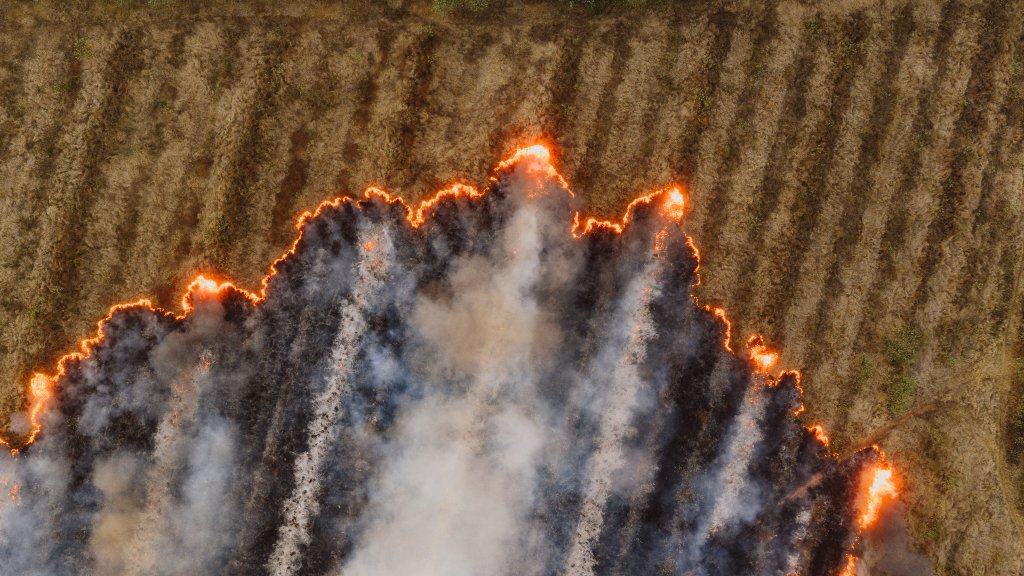
The fact that those specialist capabilities were called upon over 1,000 times last year — with wildfires increasingly identified as a growing demand — underlines how much the programme has become part of everyday operational response, not just a reserve for extraordinary events.
This will crucially strengthen the country's national response to the largest and most complex of incidents, from flash flooding to raging wildfires and collapsed structures.
A Positive Step — With Questions Still to Ask
For firefighters on the ground, this announcement is genuinely good news. Better equipment, better-trained specialist teams, and government acknowledgement that the wildfire risk is escalating are all things the sector has been pushing for.
But there are questions worth watching. How will the hosted model work operationally — particularly for the services taking on those teams? Will the £97 million reach front-line kit that crews actually use day-to-day, or will it be concentrated in the national capability tier? And as climate change continues to extend and intensify the UK's wildfire season, will this level of investment keep pace with the risk?
We'll be keeping a close eye on how the programme develops.
Source: Government press release, GOV.UK, 20 June 2026. Published by the Ministry of Housing, Communities and Local Government and Samantha Dixon MBE MP. Quoted passages reproduced under the Open Government Licence v3.0.




Comments
No comments yet — be the first!