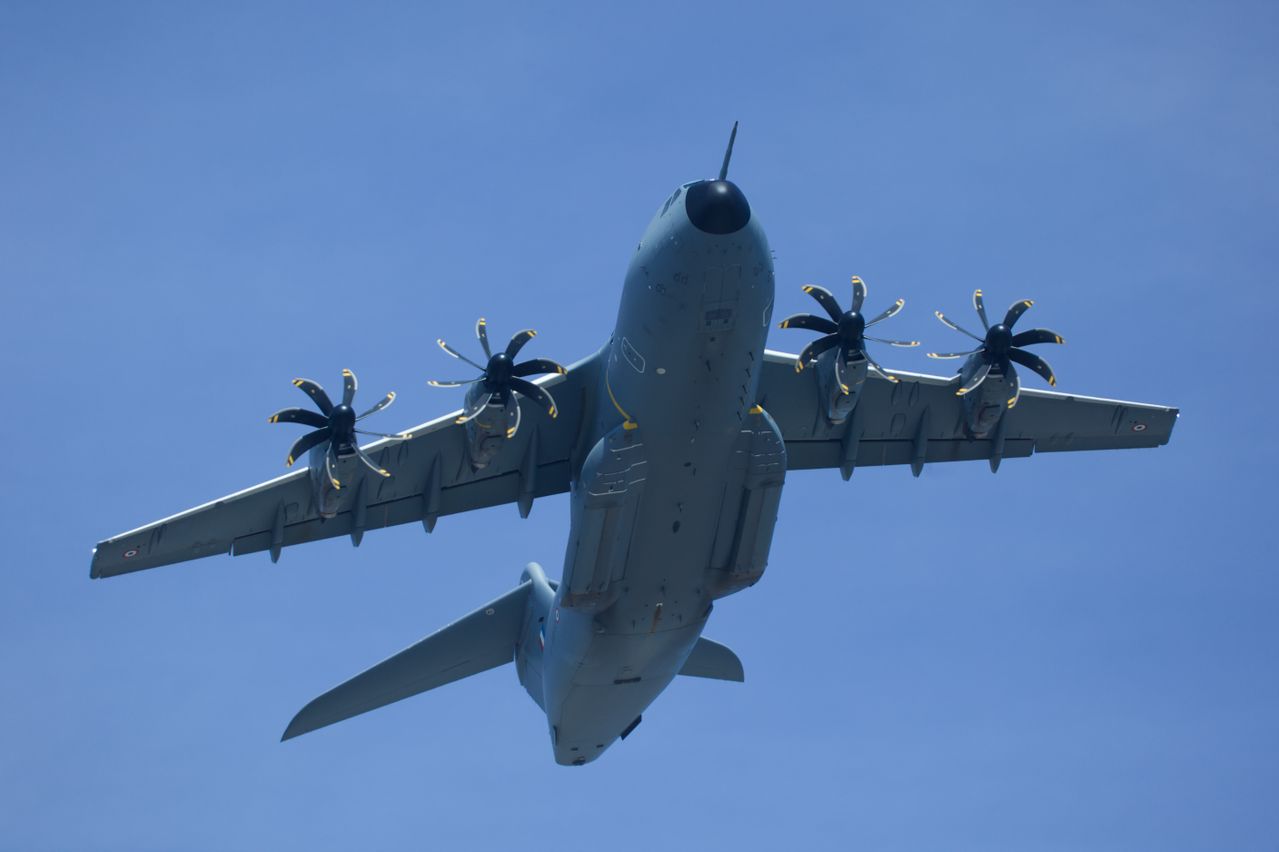
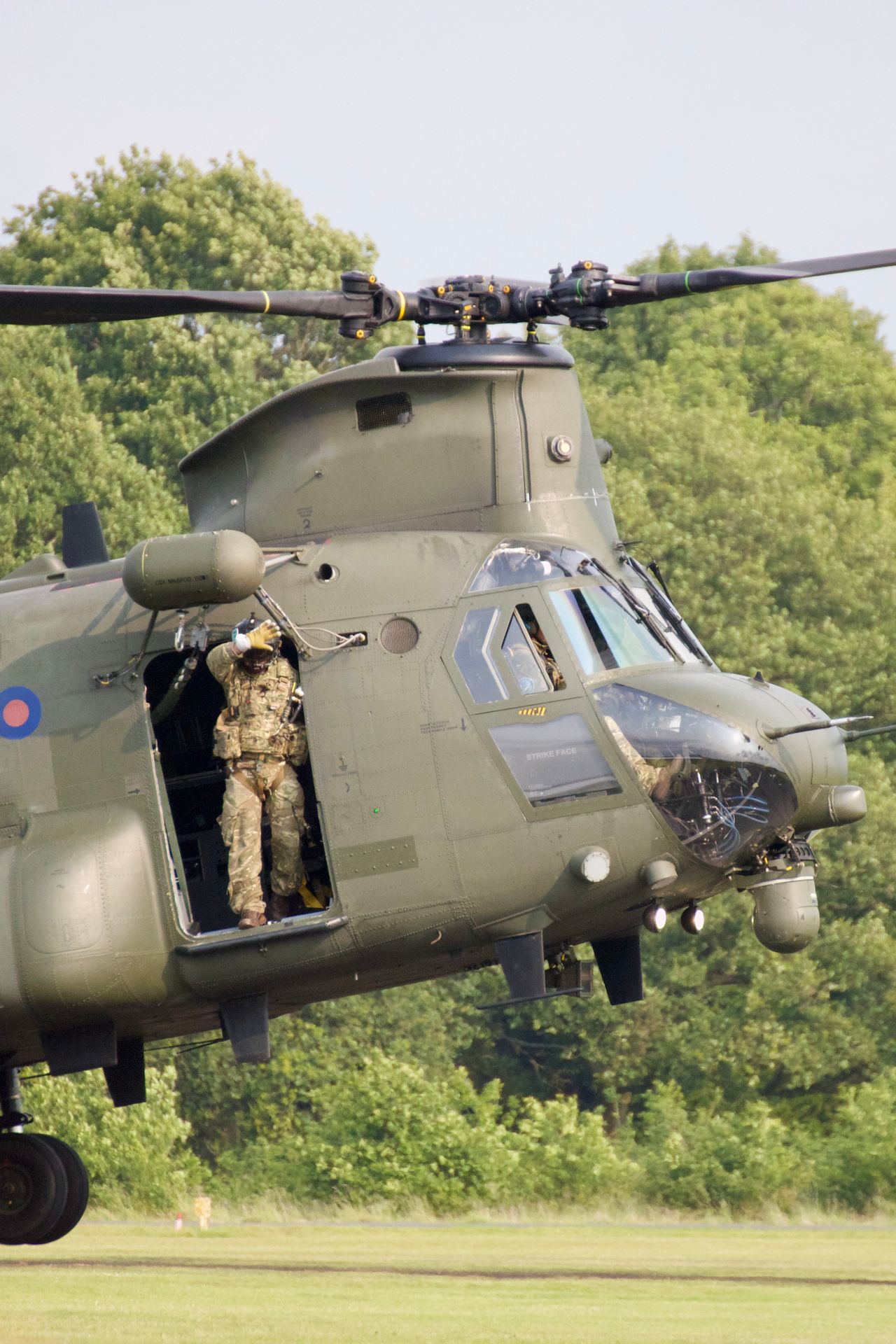
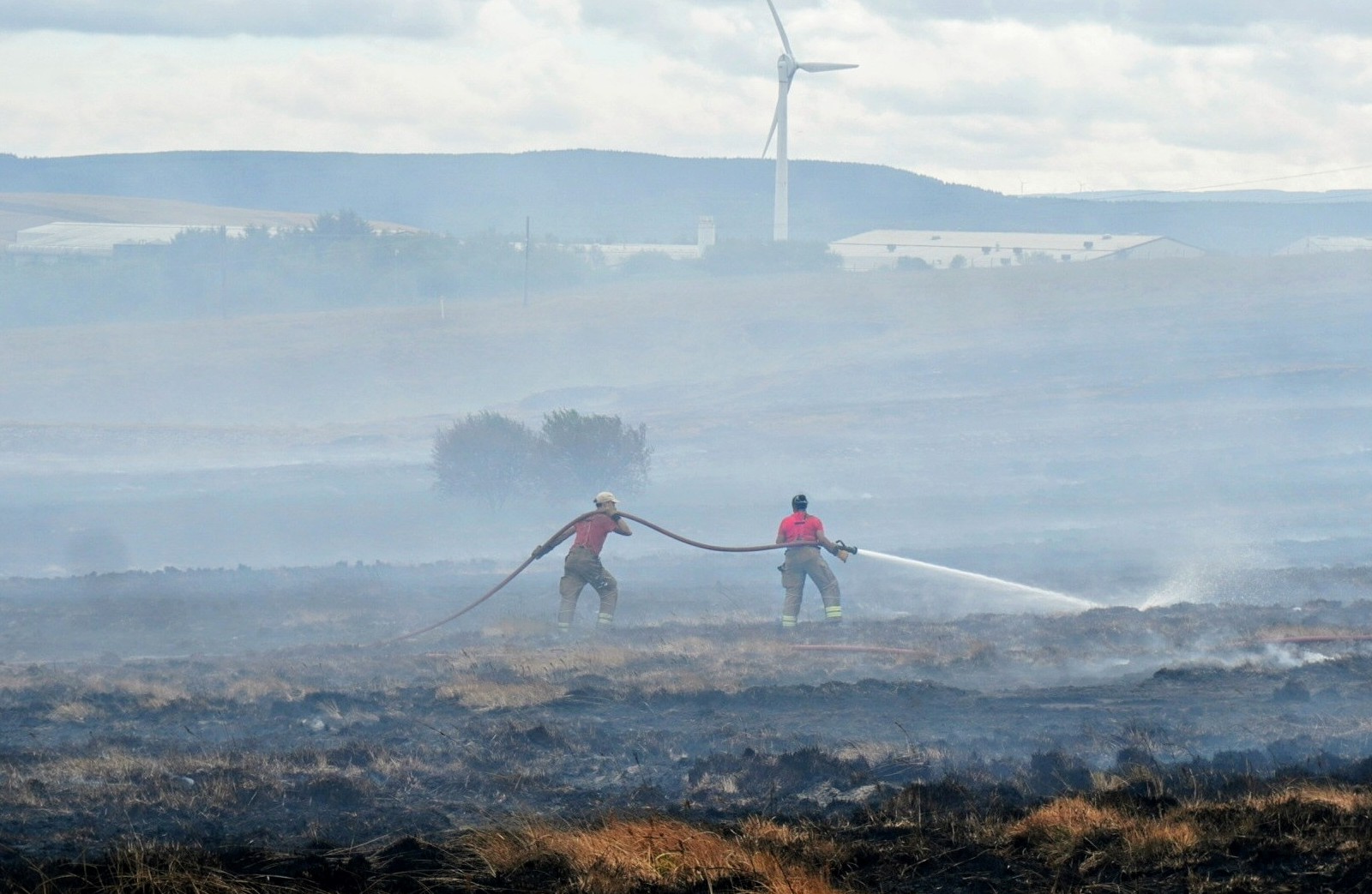
RAF Chinook helicopters and A400M aircraft will be equipped to fight fires and stand ready, when requested, to help crews across the UK battle blazes on remote moorland, steep hillsides and other hard-to-reach terrain.
The announcement, published on 22 October 2026, comes from the Ministry of Defence, the Ministry of Housing, Communities and Local Government and Downing Street, and was set out ahead of a wildfire summit at which the Prime Minister met fire chiefs, local leaders and experts.
What it means for fire and rescue services
The investment will let the Ministry of Defence develop, for the first time, an aerial firefighting capability permanently based in the UK. Civilian fire and rescue services across all four nations will continue to be able to request firefighting support through the Military Aid to the Civil Authorities (MACA) process.
As the second largest landowner in the UK, the department also sets out a need for the capability to adapt to the increased wildfire risk facing the country and to protect military training areas.
Support for crews on the ground
Firefighters on the front line in England will be boosted by additional specialist wildfire teams and wildfire-specific, lightweight personal protective equipment, backed by up to £45 million.
The new kit is described as lighter and more breathable than current equipment, which is primarily designed for fires in buildings and is not intended to be worn for long periods. The aim is that it can be worn for longer stretches when crews are tackling wildfires.
Trying to stop fires starting
The package also includes £25 million to restore dried-out peatlands in England so they hold more water and act as natural firebreaks. The Peatland Restoration Grant Scheme will be run by Natural England and is expected to run from April 2027 to April 2029.
Farmers would receive financial support to fireproof their land, including digging ponds and removing burnable materials in high-risk areas. The government will also look at tougher local restrictions or product bans to stop people starting fires when the risk is high.
The wider package
A new Wildfires AI Unit in COBR's National Situation Centre, bringing together universities, technology firms and government to spot and fight fires faster
Work with the Met Office on better wildfire forecasts and risk information, to improve public awareness and prevention
Development of England's first Wildfire Action Plan, covering prevention, preparedness, response and recovery
Closer work with the devolved governments on alignment, shared expertise and best practice
The government also plans to convene an interministerial meeting between UK and devolved governments to better coordinate the response across the UK. Airbus, Google and VodafoneThree were among the businesses attending the summit, setting out how satellite monitoring, early warning, connectivity and aerial capability can help communities prepare for and respond to wildfires.
What ministers said
The Prime Minister said:
I stood in Stourbridge and watched families lose everything. I will never forget it. Our firefighters were heroes that day, but heroes shouldn't have to fight with one hand tied behind their backs.
Crews will now have the kit they need to stay safe and military aircraft will stand ready to help tackle wildfires from the sky. We cannot put people through another summer like this one.
Defence Secretary Wes Streeting said:
As the threat of wildfires in the UK grows, defence will step up to provide greater support to our emergency services and protect military training areas across the country.
This will see the RAF's Chinook helicopters and A400M aircraft equipped with new specialist firefighting equipment to enable them to tackle wildfires from the skies for the first time.
Communities Secretary Angela Rayner said the wildfires faced this year had been unrelenting, and that the government was taking immediate action while working to build a stronger national response for the future. Environment Secretary Dame Angela Eagle said healthy landscapes hold more moisture in the ground to stop fires spreading.
Still to be settled
The announcement does not set out how many aircraft will be fitted with the equipment, what that equipment will be, when it will be available, or how the funding will be divided between specialist teams and protective equipment.
For the fire service, the practical questions are when a request could result in aircraft arriving, how air and ground activity would be coordinated, and what preparation crews would need. Further reporting should look at how specialist teams would be staffed and trained, how the clothing would be distributed, and what support would sustain a prolonged response.






Comments
No comments yet — be the first!